|
→ View in browser
When I was younger, Tumblr was my favorite chaotic wasteland to get my daily fix of internet culture. My feed was constantly filled with discussions around beauty ideals: some claimed women had to be thin and feminine, others celebrated the inclusivity of the body positivity movement.
But lately there's been less balance. Fewer people being unapologetically themselves, more using the word ‘skinny’ as a compliment.
That got me thinking about the relationship between politics and beauty ideals: As political attitudes around the world skew to the right, tastes in appearance seem to be doing the same. And once I noticed that shift, it became obvious that fashion is caught in the same current. Our clothes, just like our looks, are shaped by the political reality we’re living in.
The evidence is right in front of us. Consider Nara Smith, the face of the so-called tradwife (‘traditional’) aesthetic. She went viral for cooking up the equivalent of an entire Christmas feast for her husband and children on a random Tuesday, all while looking like she’s about to step onto a runway. While some argue it’s all in good fun — or others see it as satire all together — there’s a clear underlying message: being a ‘good mother’ means staying at home, spending hours in the kitchen, and looking immaculate in the process.
One video isn’t much on its own, but when they multiply and start racking up millions of views, the cultural direction starts to look a lot less accidental. Especially when you pair it with other observations like the Ozempic frenzy, the surge of ‘old money’ aesthetics, and the rise of the so-called ’conservative Cosmo’ magazine that celebrates femininity (not to be confused with feminism). It’s perhaps not surprising then that some have argued that we could’ve predicted the outcome of the 2024 US election simply by paying attention to what people were wearing.
But, for those on the other side, fashion is also a valuable tool for resistance. As Céline Semaan, founder of the climate-positive initiative Slow Factory puts it:“Fashion creates culture, and culture creates action.”
Throughout history, garments have carried quiet but powerful messages: in the late 19th century, loose ’Bloomer trousers’ became a symbol of early female resistance; in the 1960s, the mini skirt emerged as an icon of youth culture and defiance; and drag fashion, once confined to underground clubs, has long challenged gender norms while providing a platform for self-expression.
Today’s fashion activism is largely focused on climate efforts. Fast fashion, with its relentless cycle of micro-trends like bag charms or bow details, is a major contributor to global carbon emissions. In response, consumers and designers are pushing back, sparking innovations around circularity and eco-friendly materials. For example, Dutch designer Duran Lantink, known for Janelle Monáe’s vagina pants, upcycles discarded luxury garments to produce his collections, helping out marginalized communities in the process.
Whether or not we’re aware of it in the moment, what we wear is not just about looking good or feeling comfortable. It’s also making a statement about where we stand in regard to social or environmental issues.
I’m curious to hear your take: Have you also picked up on the overlap between fashion and politics lately? Or do you have other observations to share on the topic?
Anna
|
Some numbers
|
54%
|
54% of UK consumers would stop buying from a company if it was found to be misleading about its sustainability claims.
|
|
80%
|
Pinterest searches in 2023 for ‘modest fashion outfits’ surged 80% year-over-year, while ‘modest outfits’ rose 40%.
|
|
46%
|
Today, 46% of U.S. primary schools, 70% of middle schools, and 55% of high schools enforce strict dress codes.
|
|
Plugged in
Podcast: How Conservatism Infiltrated Pop Culture — A Bit Fruity with Matt Bernstein
An analysis on the resurgence of conservative values in fashion and pop culture, from the old money aesthetic to Kylie Jenner’s identity pivot.
|
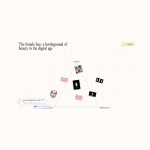
Online game: Metaphormaxxing — Sarah Amrani
A digital mapping game that explores the meanings we assign to online images, designed to reveal insights on identity, gender norms, and self-expression in the process.
|
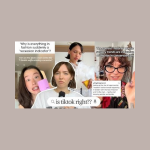
Video essay: is EVERYTHING in fashion a conservative / recession indicator rn???? — Katie Robinson
A video essay discussing how recent TikTok trends and subtly conservative-coded fashion and beauty aesthetics are shaping not just our wardrobes, but our behaviors and cultural ideals.
|
|
A gallery of fashion activism
Some fashion items make a loud political statement, others a subtle one. From standout pieces to the signature looks of entire movements, here are six moments where fashion became a tool for activism and self-expression.
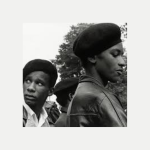
Black Panther Movement Beret — 1960s
The Beret, worn by members of the Black Panther Movement alongside black leather jackets and pants, became a symbol of defiance against police brutality in the late 1960s.
|
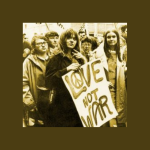
"Make Love Not War" Hippie Aesthetic — 1960s
The “Make Love, Not War" slogan, most commonly associated with the Hippie Movement of the 1960s, is one of the most well-known examples of anti-Vietnam war messaging, often printed on clothing items like t-shirts.
|
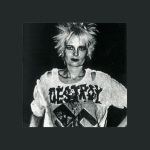
Vivienne Westwood’s “Destroy" T-shirt — 1977
In 1977, Vivienne Westwood created, sold, and wore a T-shirt featuring a swastika and an inverted image of Christ on the cross as a statement against fascism and the establishment.
|
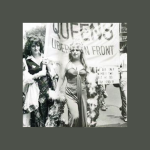
Queens Liberation Front Drag Attire — 1970s
The pro-transgender and drag queen rights group used drag attire as a form of political protest and means of activism to challenge gender norms and police harassment in the 1970s.
|
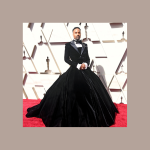
Billy Porter’s Tux/Dress Hybrid — 2019
American actor Billy Porter made headlines at the 2019 Oscars for wearing a tuxedo dress in Black velvet as a bold statement in support of genderless fashion.
|
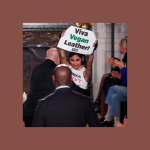
Peta ‘animals aren’t fabric’ t-shirts — 2024
Activists of animal rights group Peta crashed Victoria Beckham’s fashion show in 2024, walking alongside the models and wearing t-shirts saying ‘animals aren’t fabric’.
|
|
|
Enjoying NOC? Your friends, family, community and colleagues might too. Here is a link for you to share this edition with them.
Link to this edition
|
Ways to get inspired

FASHIONCLASH Festival
The Maastricht-based interdisciplinary festival aims to support the next generation of designers as they explore the intersection between fashion and social issues.
|

good on you
A platform that rates fashion and beauty brands on their impact and helps consumers choose more sustainable and ethical options.
|
Fashioning the SELF
A digital humanities project that examines how enslaved people used fashion as a powerful form of identity and expression, sharing research, archival materials, and community-led reflections.
|
|
Political OOTDs
Ever wondered what a politician’s OOTD (outfit of the day) says about them? Here’s how three public figures communicated their values without even opening their mouths.
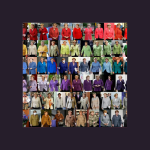
Angela Merkel
Former chancellor Angela Merkel’s signature boxy jackets served as a visual “uniform," consistently conveying her professionalism, diplomatic approach, and steady, reliable leadership style to both domestic and international audiences.
|

Zohran Mamdani
Incoming NYC mayor Zohran Mamdani’s affordable “Millennial Suit" conveys professionalism while projecting approachability, relatability, and a connection to the everyday experiences of the voters he aimed to engage.
|
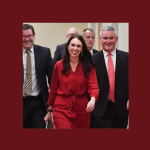
Jacinda Ardern
Former New Zealand Prime Minister Jacinda Ardern’s curated wardrobe of local, women-owned designers consistently signalled soft power, blending authority and approachability while communicating: “I’m a busy politician and mother."
|
|
Through art
|
Indigenous Woman — Martine Gutierrez, 2018
A self-produced art-magazine project that fuses fashion, photography, and performance to critique colonial, patriarchal, and gendered imagery.
|

|
Project Body Hair — Ashley Armitage, 2018
A series of photographs created in collaboration with razor brand Billie, featuring models posed in dreamy backdrops to celebrate and normalize body hair.
|
Is My Body Public? — Alicia Framis, 2018
A performance in which fifteen women walked through Madrid wearing transparent, slogan-embroidered dresses to confront sexual violence and intimidation against women, asking, “Is my body public?".
|
|
|
|
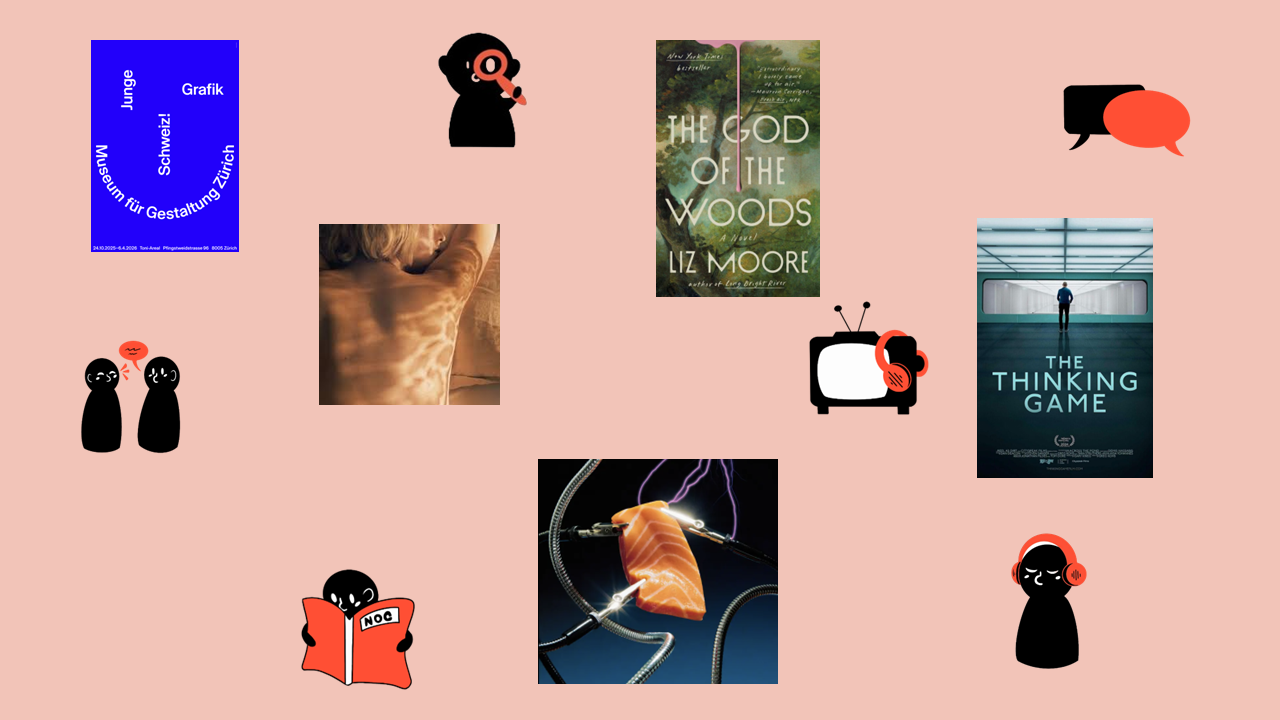
Our picks
|
Say My Name In Your Sleep — Latest single by English singer-songwriter Maisie Peters.
The God of the Woods — A mystery novel about the disappearance of a teenage girl from her family’s summer camp in 1975, echoing the disappearance of her bother years earlier.
The Thinking Game — A documentary on DeepMind, following how the team began to teach a computer how to play games such as chess and built up towards applications in health.
Young Graphic Design Switzerland! — An exhibition at the Museum für Gestaltung in Zurich on upcoming graphic designers and their practices (until April 6, 2026).
Best Inventions 2025 — TIME Magazine's yearly round-up of the best inventions.
|
|
|
NOC is a constant work-in-progress. We want to hear your thoughts, recommendations and ideas—reply to the newsletter via email or write to us on social media (LinkedIn or Instagram). Your input will help shape where we go next!
You can browse past editions on our website.
Was this email forwarded to you? You can register to our newsletter here.
One ask from us: to avoid our newsletter landing in your spam inbox, add our email address as a contact.
|
|