{{PreviewText}} 

edition 28:
The illusion of influence

→ View in browser

I’ve spent a lot of time being influenced. Sometimes without even knowing it was the case. Let me explain.

I’ve been watching YouTube since its early days. My tastes have matured slightly since then, away from comedic sketches, Primark hauls, and makeup tutorials (although, I was only watching those for the drama – if you know, you know) to video essays or creators talking about books, food, and art.

Sometimes I caught myself differentiating the YouTubers currently on my feed from the textbook ‘influencers’ I used to keep up with. Clicking play on their videos felt like it gave me something more meaningful than just the obvious paid ad suggestion to download Candy Crush or get a VPN.

But it wasn’t until recently that I realized: If there’s a sponsorship in the video, or I buy a book because someone I watch recommended it, they’re an influencer, and I’m the influenced, even if they prefer the labels content creator or filmmaker. But doesn’t that awareness dampen the effect? Especially when our feeds have been saturated with brand deals since the early 2010s. 

That thought sent me down a rabbit hole to answer the question: Are influencers losing their influence?

First, a definition. As Paris Martineau put it for Wired in 2019: “The term is shorthand for someone (or something) with the power to affect the buying habits or quantified actions of others by uploading some form of original, often sponsored, content to social media platforms.” That explanation still holds up pretty well.

In early literature, the term influence often carried a negative connotation. For Oscar Wilde, it meant surrendering your soul, authenticity, and what makes you who you are. Ironically, modern creators aren’t exempt: they, too, influence themselves. A TikToker might insist they like the bedsheets they were sent to promote, but how genuine can that preference be when their income depends on it? All while they have to stand back and watch the algorithm – the ultimate influencer – decide whether their content gets seen at all.

Yet, this doesn’t seem to be enough to deter those who are chasing the dream. And there are many: if given the opportunity, 57% of Gen Zers in the US said they would like to become an influencer, with 53% considering it to be a reputable career choice.

That enthusiasm isn’t hard to understand when you consider how the lifestyle was sold to us from the get-go: Going viral overnight, racking up millions of followers, scoring invites to exclusive events… and, of course, combing through piles of emails from companies offering the sponsorships necessary to make it all financially worth it.

But, in reality, the career choice is slightly less lucrative than what we were led to believe. In 2023, a study found that only 4.3% of influencers made more than $100,000 a year, while over 48% earned less than $15,000. Pair that with pressure to partner with brands whose ethics you may not agree with and lack of clear work-life-balance, and the choice already looks a lot less glamorous.

Creators have pointed this out as well. A few years ago, influencer Mikayla Nogueira posted a viral video on TikTok, telling viewers, “Try being an influencer for a day.” She complained about the heavy workload and even suggested that not everyone is cut out to do the job. The backlash was impossible to contain, and the video quickly turned into a meme.

Then, in 2025, OG beauty influencer Jaclyn Hill gave spreading the message another go, this time from the angle of her waning audience engagement. In a TikTok, she, too, vented about her career, focusing on the drop in interaction she’d been seeing from her followers lately. She prefaced it as a controversial opinion, and her audience didn’t hesitate to respond with indignation. One of the top comments, with 78 thousand likes, sums it up pretty well: “We’re tired of watching influencers rub their wealth in our faces.” Another reads: “Because your era is over and that’s ok.

While selling a lavish lifestyle full of 8-step skincare routines may have worked a couple of years ago, it seems slightly out of touch in a world of rising geopolitical tensions and the cost of living crisis. Instead, people are craving opinions, insight, and expertise, creating a demand for content that is not aspirational, but educational.

I agree with the general sentiment: If we’re constantly glued to our phones, we might as well get something useful in return, whether it’s art history facts or crafty hacks to repurpose old sauce jars.

And while that’s not necessarily reclaiming lost time, it’s a step toward walking away with something tangible. However, the question that still remains is if the influencer dream will continue to hold its appeal – or whether, like viewers, creators are starting to watch it crack.

What do you think?

Anna

P.S. Most of the data referenced here is US-focused, where the influencer economy is especially developed. In other contexts, these dynamics may play out differently, but the questions around authenticity and influence still apply. I also didn't get into the connection between influencers and politics, there’s enough to say on this to fill a whole other edition.

Some numbers

50m

Estimates suggest that there were more than 50m influencers globally in 2023.

95%

A study analyzing over 100 million tweets from 2014-2021 found that 95% of posts did not disclose sponsored partnerships.

28%

Instagram, once a leader in social media engagement, has seen a 28% decline year over year, with engagement now sitting at just 0.50%, with fewer users liking or leaving comments on posts.

Read between the lines

Icon of a person holding a journal A History of the Influencer, from Shakespeare to Instagram — Laurence Scott, The New Yorker (2019)

A philosophical exploration of the influencer phenomenon, which traces its early roots to today's culture, while examining the notion of authenticity and what it really means to be 'influenced'.


Deinfluencing shapes how we think about shopping, and our economy — Aidan Moir, The Conversation (2025)

A look at the 2023 viral trend of ‘deinfluencing’ and its impact on the way we think about the economy and our spending habits.


Surely if you rule the manosphere, you can be your own boss? These influencers aren’t even that — Elle Hunt, The Guardian (2026)

An op-ed reacting to the recent release of the ‘Inside The Manosphere’ documentary (featured below), which makes the case that this group of influencers, who seek to be their own boss, may just be falling short of that hope.

Watch / Read / Listen


Thumbnail of podcast

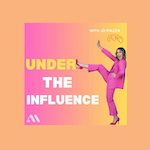
Podcast: Under the Influence

A podcast deconstructing the seemingly picture perfect reality of influencer culture, covering phenomena such as tradwives and family channels.

Screenshot of documentary

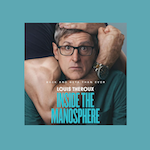
Documentary: Inside The Manosphere

A documentary featuring Louis Theroux as he attempts to infiltrate the right-wing, misogynistic influencer circles known as the manosphere.

Screenshot of video essay

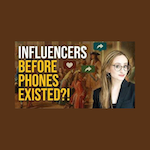
Video essay: Before TikTok: History's ORIGINAL Influencers

A lecture-style historical exploration on who the original influencers were, long before algorithms and platforms were even in the picture.

Screenshot of video

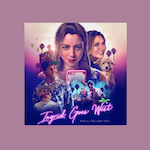
Movie: Ingrid Goes West

A dark comedy featuring Ingrid, as she moves to LA and tries to get in the good books of the social media influencer she’s obsessed with.

Book cover

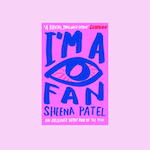
Book: I’m a Fan

Sheena Patel’s debut novel follows an unnamed narrator’s messy relationship and her fixation on an influencer. It opens with the line: I stalk a woman on the internet who is sleeping with the same man as I am.

Thumbnail of podcast

Podcast episode: ‘The Mozart of the attention economy’: why MrBeast is the world’s biggest YouTube star

By the Guardian’s The Audio Long Read, this episode gets into the success of the influencer golden boy, MrBeast, exploring whether his videos are clickbait or avant-garde genius.

On my feed

Sponsorship or not, here’s a selection of creators I enjoy coming back to. They’re a reminder that, even in a saturated influencer economy, you can stumble across content that’s worth your time.


Screenshot of Eddy Burback

Eddy Burback

A commentary YouTuber, who makes well-researched and high-production-value videos on everything from going completely phone-free to trying to ‘break’ ChatGPT.

Screenshot of Andrew, Steven and Adam

Andrew, Steven, and Adam

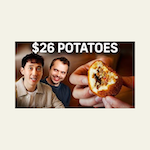
Originally a part of Buzzfeed’s ‘Worth It’ series, the three creators relaunched the concept, trying different food and restaurants at different price points. I recommend the video they did on Potatoes.

Screenshot of bewareofpity

bewareofpity

A calm slice of life creator, who most notably spotlights her passion for books and perfume. I enjoyed her recent rundown of the books she enjoyed most in 2025.

Enjoying NOC? Your friends, family, community and colleagues might too. Here is a link for you to share this edition with them.

Link to this edition

Ways to get inspired


Logo of Conscious Ad Network

Conscious Advertising Network

An international nonprofit that collaborates with advertising platforms, media owners, and publishers to create an effective and safe advertising baseline for everyone.

Logo of Check my Ads

Check My Ads

A digital advertising watchdog that works with advertisers to help them monitor where their ads are being placed, preventing accidental funding harmful websites or disinformation.

Logo of Luerzer Archive

Lürzer’s Archive

Starting out as an archive for print and video campaigns, the platform now acts as a searchable home for creative ads across different mediums, seeking to give recognition to their creators.

Through art

The Life I Deserve — Gina Beavers (2019)

New York–based artist Gina Beavers creates thickly layered paintings from social media and internet images, transforming subjects like #FoodPorn and makeup tutorials into uncanny, often unsettling compositions that reflect digitally mediated life.

Vase

The Narcissist — Peter Drew (2025)

A series of self-portraits reflecting on the artist’s Instagram-documented body transformation, resembling influencer culture, to question whether contemporary activism contains elements of narcissism.


Still We Rise — Harmonia Rosales (2021)

A reimagining of the Sistine Chapel that depicts the transcendence of African ancestors through Yoruba deities and symbols, offering a unified vision of the afterlife. The painting went viral on social media, highlighting how platforms can open up new audiences for artists.


Our picks

Our Picks Banner

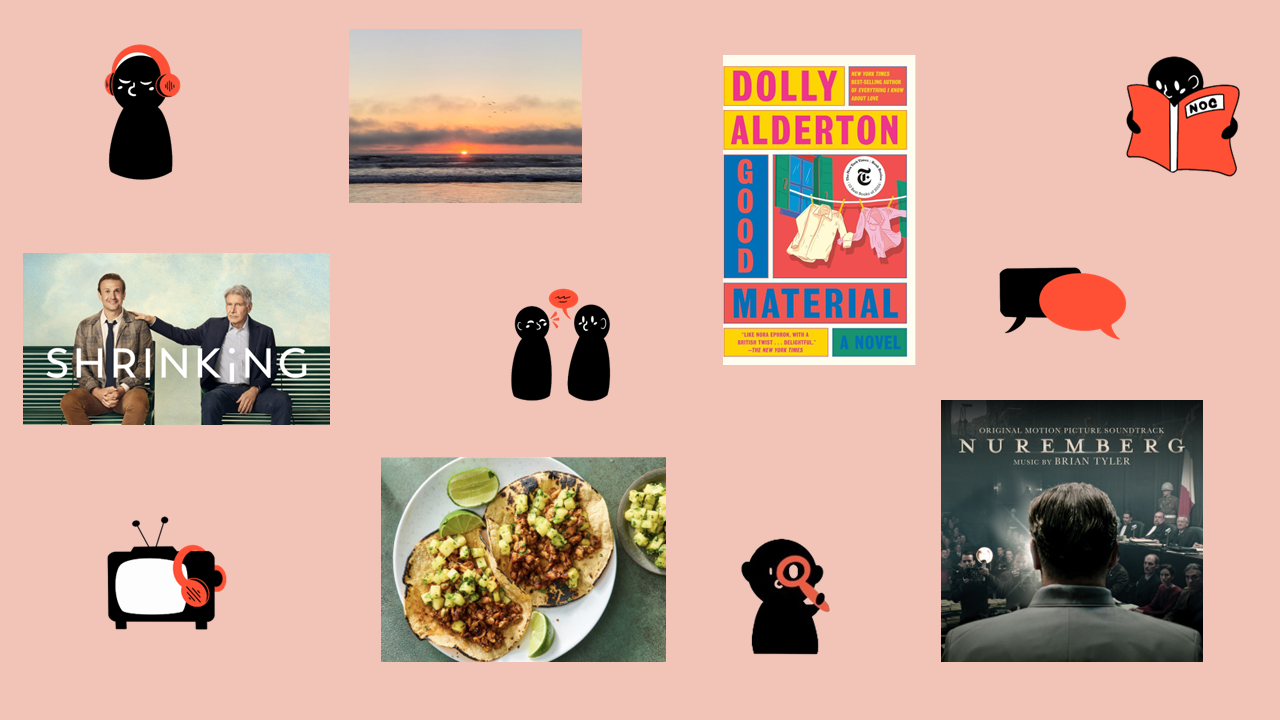
Good Material — A novel by Dolly Alderton following a struggling comedian and his reaction to his girlfriend breaking up with him as he slowly learns her side of the story.

Shrinking — A TV show following therapist Jimmy as grieves the death of his wife and tries to be a good dad throughout. Throwing caution to the wind, he tries out a new approach with his patients: unfiltered honesty.

Vegan al Pastor Tacos — A recipe by NYT Cooking that turns this classic taco dish vegan using tempeh.

Nuremberg — A movie following the Nuremberg trial and a US army psychiatrist’s bond with Hermann Göring.

If Fossil Fuels Are War, Renewables Can Bring Peace — An article by Rebecca Solnit calling for the end of fossil fuel and the rise of solar and wind power.

NOC is a constant work-in-progress. We want to hear your thoughts, recommendations and ideas—reply to the newsletter via email or write to us on social media (LinkedIn or Instagram). Your input will help shape where we go next!

You can browse past editions on our website.

Was this email forwarded to you? You can register to our newsletter here.

One ask from us: to avoid our newsletter landing in your spam inbox, add our email address as a contact.