|
→ View in browser
The other day I caught myself saying I was taking a detox weekend and immediately laughed. Not because I was lying, but because of how seriously I seemed to mean it. In practice, the detox consisted of staying on my couch, reading a book, and switching my phone to DND (do not disturb), as if that counted as some kind of intervention.
Cleanse, reset, detox, fast. The words circulate so smoothly now that they barely need context, as if life itself periodically requires you to step away from it. Nothing about my detox suggested a before or after, I just felt overstimulated after a long period. There was no ambition to emerge changed, enlightened, or improved. It wasn’t good or bad, it was just necessary and temporary. Something I could undo as easily as I’d announced it.
Originally, detox is a medical term: the removal of harmful substances from the body. Today, the meaning has shifted. We detox from new bad habits, screens. I’ve heard friends talk about detoxing from phones, from news, from people, from entire platforms. Someone recently mentioned doing a dopamine detox I wasn’t entirely sure what that involved — no screens, no coffee, no scrolling — but the explanation was always the same. The word seems to carry the promise that relief might come not by fixing things, but by briefly suspending our engagement with them.
The impulse is not new. In ancient Greece, purification was often a prerequisite for knowledge: fasting or induced vomiting before approaching an oracle was meant to clear not just the body but perception itself. In Egyptian medicine, purges and enemas were routine treatments, grounded in the belief that illness came from blockage and stagnation. Medieval Europe extended this logic: bloodletting, prolonged fasts, penitential pilgrimages. Cleansing was physical, visible, and difficult to ignore. It demanded time and it left traces.
Today, detox still gestures toward physical demand, but it arrives stripped of ordeal. A three-day juice cleanse delivered in glass bottles. Dry January tracked via apps and goals. What once unfolded through endurance has been compressed into practices that are portable, discreet, and reversible.
And increasingly, purchasable. There are countless products promising to reduce dependency: supplements, guided reset programs, minimalist phone launchers, journaling kits, subscription boxes for aesthetic self-renewal. Even withdrawal has its own marketplace. The ritual remains, the belief that balance returns through removal, but its form has softened, and its abstinence has become something you can order online.
Ironically, detox is one of the few practices that slips easily into almost any life. It doesn’t demand rupture. It doesn’t insist on transformation. It allows us to step back without truly stepping away. In a world that rewards constant availability, detox becomes a brief loosening: not an exit, but a pause that makes return feel manageable.
And maybe that is its appeal. Not cleansing, not transformation — just the reassurance that stepping back is still possible, even if only briefly, and even if nothing fundamental shifts.
Estelle
|
Some numbers
|
3 in 4
|
Three in four Gen Z adults say they plan to participate in Dry January. This makes them the most likely generation to abstain signaling a shift from the habit as wellness ritual to mainstream generational habit.
|
|
+30%
|
Interest in non-alcoholic beverages has grown by over 30%, with alcohol-free options emerging as one of the fastest-expanding segments in beverage retail.
|
|
$62m
|
In 2018 alone, Americans spent more than $62 million on detox teas, underscoring how the language of cleansing transforms everyday products into premium promises.
|
|
Read between the lines
|
The pleasure, the pain and the politics of a digital detox — Trine Syvertsen, Psyche (2024)
Digital detox as a social practice: not just an individual choice, but a window into what we consider “real,” “healthy,” or properly private and who gets to access unmediated space.
|
|
|
Is the digital detox industry a scam? — Beauty Dhlamini, Dazed (2024)
A look at the booming detox economy (apps, retreats, tech-free packages) and the awkward question underneath it: whether these products reduce dependency, or simply repackage it into something purchasable.
|
|
|
Can you really detox your body? The science behind the cleanse myth — Adrienne Matei, The Guardian (2024)
A wide-angle critique of detox as a modern myth — from juice cleanses to sauna promises — with a focus on why detox narratives feel so persuasive, and how the market thrives on the fantasy of “removal.”
|
|
Cleansing across time
The impulse to purge or purify isn’t new. What changes is how it is practised and what counts as proof.
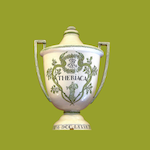
Theriac (Hellenistic Greece)
In ancient Greece and Rome, theriac — a paste made of viper flesh, opium, and dozens of herbs — was believed to protect the body from poison. It remained in European medicine cabinets for centuries as a sovereign, almost mythical remedy.
|

Royal touch (Medieval Europe)
Scrofula, a form of tuberculosis, was believed curable through the touch of a monarch. Thousands gathered in the hope of healing through proximity to the divine sovereign alone, where illness met authority and ritual.
|

Tobacco smoke enemas (18th century)
Used as revival therapy for drowning victims, smoke was pumped into the body through the rectum to stimulate internal heat and expel imbalance — a striking example of how medical logic once merged with elemental symbolism.
|
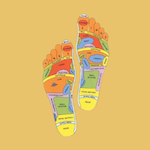
Detox foot patches
Adhesive pads applied to the soles of the feet overnight and marketed as drawing toxins out of the body during sleep — a contemporary ritual of removal packaged as effortless purification.
|
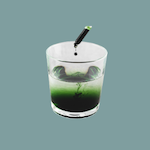
Chlorophyll water
Liquid chlorophyll, derived from plants, added to water and consumed as a wellness drink positioned as an internal “deodoriser,” blending botanical symbolism with modern health aesthetics.
|
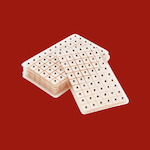
Ear seeds
Small adhesive beads, often made of metal or plant seeds, placed on specific pressure points of the ear to reduce facial puffiness — a revival of acupressure traditions reframed within contemporary beauty culture.
|
|
Through the lens
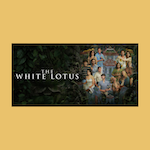
The White Lotus — Mike White (2021 – on going)
A luxury resort drama following wealthy guests and staff over the course of a week. Across its seasons, wellness rituals, spiritual practices, and curated self-improvement environments become part of the scenery — revealing how status, healing, and desire intertwine in controlled paradise.
|

Nine Perfect Strangers — David E. Kelley (2021-2026)
A limited series set at an exclusive wellness retreat where nine guests enrol in a transformative program led by a mysterious guru. Detox rituals and radical self-reinvention sit at the centre, blurring the line between healing and manipulation.
|
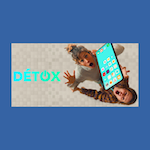
Détox — Marie Jardillier (2022)
A French comedy series about two cousins attempting a 30-day digital detox by quitting social media and constant connectivity. The show follows the practical inconveniences and social ripple effects of choosing to disconnect in a hyper-connected world.
|
|
|
Enjoying NOC? Your friends, family, community and colleagues might too. Here is a link for you to share this edition with them.
Link to this edition
|
Through art
|
Honeymoon — Juno Calypso (2015–ongoing)
A series of staged photographic self-portraits set within hyper-feminine beauty and wellness environments — tanning beds, facial treatment machines, cryotherapy-like chambers. Calypso places her own body inside spaces designed for enhancement and purification, exaggerating rituals of self-maintenance and cosmetic “renewal.”
|

|
Hardcore Digital Detox — Miao Ying (2018)
A satirical browser-based “detox program” styled in late-’90s Internet aesthetics. It parodies digital detox apps through absurd instructions (such as using Baidu to force face-to-face navigation), critiquing the commodification of self-care and our dependency on tech-mediated life.
|
The Bus — Marina Abramović (2026)
A former school bus converted into a mobile meditative space. Visitors — including world leaders at Davos 2026 — enter to experience silence and presence. Conceived as a “digital detox” capsule in opposition to constant connectivity, the project aims to foster empathy and dialogue.
|
|
|
|
Our picks
|
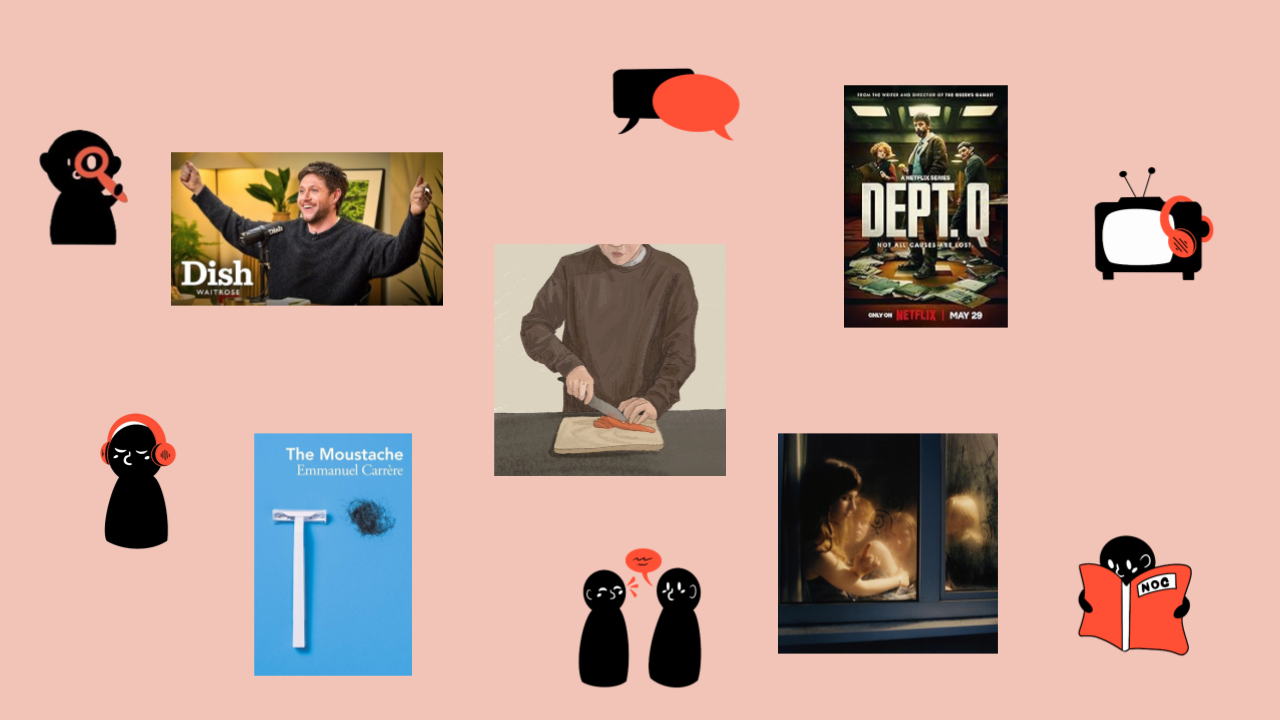
Dept Q — A good Netflix series, following a grumpy detective’s search for a missing woman.
The Moustache — A surreal, haunting book by French author Emmanuel Carrère.
joshuacooksthendraws — Art and home cook combines illustration, soothing bakes and cozy vibes in this YT channel.
Dish Podcast — In this episode of Dish, musician Niall Horan opens up about his journey back into music, his process for the new album, and why he'll never eat an avocado.
Hanging out to dry — A song by alternative band Florence Road.
|
|
|
NOC is a constant work-in-progress. We want to hear your thoughts, recommendations and ideas—reply to the newsletter via email or write to us on social media (LinkedIn or Instagram). Your input will help shape where we go next!
You can browse past editions on our website.
Was this email forwarded to you? You can register to our newsletter here.
One ask from us: to avoid our newsletter landing in your spam inbox, add our email address as a contact.
|
|