|
→ View in browser
I have never thought about sleep as much as I do now that I barely get any.
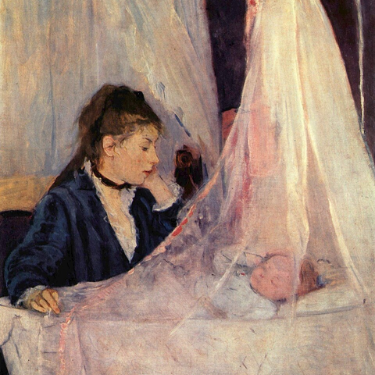
Before parenthood, sleep belonged to that category of things I mostly noticed when they failed. It was necessary, obviously, pleasant when available; irritating when interrupted. Then a baby arrived and sleep became, almost overnight, a topic of conversation, a source of anxiety, a unit of measurement, and a negotiation between two adults and one very small person who appeared to regard the distinction between day and night as a rather arbitrary social convention.
One question follows new parents everywhere: Is your baby sleeping? It sounds innocent enough, but the more often I heard it, the more revealing it became. We use sleep as a shorthand for whether life is functioning properly. A baby who sleeps is a good sleeper. An adult who gets eight hours is taking care of themselves. A watch delivers a score in the morning and, with impressive confidence, tells you how well you performed while unconscious.
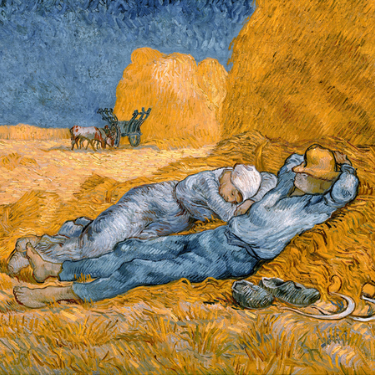
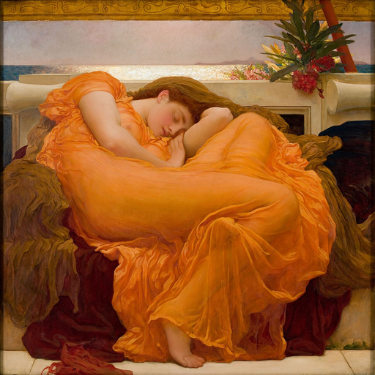
There is something peculiar about this. Sleep is one of the few states in which we relinquish control almost completely, yet we have managed to turn it into another domain of optimization. In doing so, we risk forgetting that sleep is not only maintenance for the waking hours, but also an experience with value of its own: something pleasurable, intimate and worth inhabiting.
The more I read about it, the less certain I became that the idea of “normal sleep” exists. Historian A. Roger Ekirch has written about references to a “first sleep” and a “second sleep” in pre-industrial Europe, separated by a period of wakefulness in the middle of the night. How widespread this really was remains debated, but the idea is useful because it unsettles something we tend to treat as obvious: that a proper night naturally consists of one uninterrupted eight-hour block. Artificial light extended the evening, industrial work disciplined the morning, and sleep gradually learned to accommodate the clock.
Babies, inconveniently, have not read this history. Their sleep is naturally more fragmented, their cycles shorter, and the systems that organize day and night are still developing. Newborn sleep simply follows a different architecture from ours. After trying every schedule, ritual and parental oracle available, there comes a point when you have to concede that what feels like sleep going wrong may simply be sleep doing what it is meant to do.
Adult sleep is hardly continuous either. Throughout the night, we move through lighter sleep, deep sleep and REM, with deep sleep concentrated earlier and REM stretching out toward morning. Sleep architecture replaces the reassuring image of one uninterrupted block with something far more fluid.
REM is where things become stranger still. Identified only in the 1950s after researchers noticed recurring rapid eye movements in sleeping infants, it helped overturn the idea of sleep as a passive state. It is also where vivid dreaming is most closely associated, and sometimes awareness returns before the dream has dissolved: you realise you are dreaming while still inside it. Lucid dreaming sits in that peculiar space between consciousness and sleep, where the boundary between the two becomes much less convincing.
For parents, the border between dreaming and waking can become blurred for a less glamorous reason: you are rarely asleep for long enough to enjoy the distinction. After enough broken nights, standing in the dark at 3 a.m. trying to remember whether you already fed the baby while searching for the dummy that is in your other hand can begin to feel like a lucid dream in itself (except with considerably less control over the plot).
Perhaps that is what sleep deprivation has changed for me most. It has made sleep visible. And maybe that is the lesson I keep coming back to: sleep is not something you achieve. At some point, you can only make room for it and hope it arrives.
Estelle
|
Read between the lines

|
The big idea: what if dreaming is the whole point of sleep? — Rahul Jandial, The Guardian (2024)
A provocative look at dreaming not as a decorative side effect of sleep, but as one of its possible central functions: reframing the night around what the brain may be doing while consciousness is elsewhere.
Dreams are a precious resource, don’t let advertisers hack them — Adam Haar Horowitz, Robert Stickgold & Antonio Zadra, Aeon (2021)
An exploration of the emerging use of dream incubation for advertising, asking what happens when companies begin treating sleep as another space for product placement and behavioural influence.
Bringing Back the Magic of Dreaming — Leo Kim, Noema (2025)
An essay on dreams as something larger than private psychological debris, moving through communal dreaming, older traditions and the possibility that sharing dreams might offer a different way of imagining collective life.
|
|
Flip through
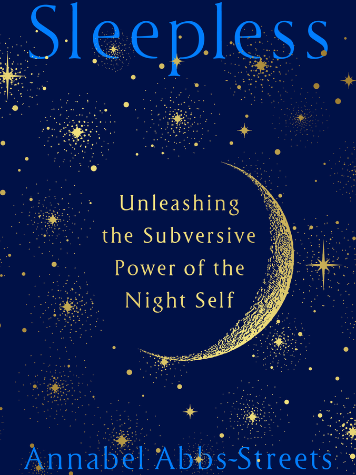
Sleepless: Unleashing the Subversive Power of the Night Self - Annabel Abbs-Streets (2024) (Memoir)
Part memoir, part cultural history, Sleepless begins with the author’s own insomnia and turns toward the possibilities of being awake at night. Moving through science, darkness and the lives of other women, Abbs-Streets asks whether sleeplessness might occasionally offer something beyond exhaustion.
|
|
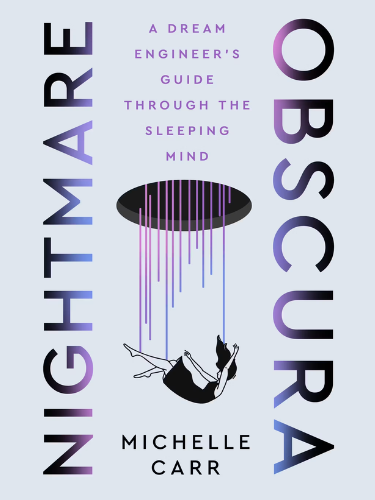
Nightmare Obscura: A Dream Engineer's Guide Through the Sleeping Mind - Michelle Carr (2025) (Nonfiction)
Dream scientist Michelle Carr enters the stranger corners of the sleeping mind: nightmares, lucid dreams, memory and the possibility of influencing what happens after we fall asleep. A guide to a world that turns out to be considerably less sealed off from waking life than we tend to imagine.
|
|
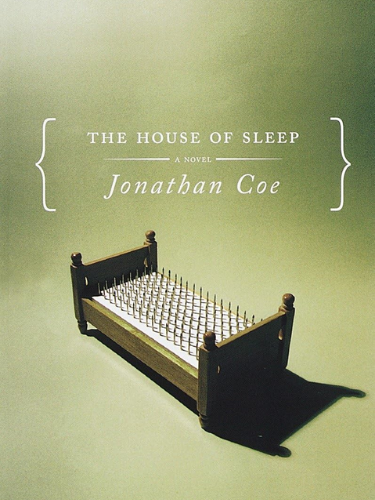
The House of Sleep - Jonathan Coe (1997) (Fiction)
Four former students, a Gothic sleep clinic, narcolepsy, insomnia and dreams convincing enough to be mistaken for reality. Coe uses sleep disorders as the architecture for a funny and increasingly strange novel about love, memory and obsession.
|
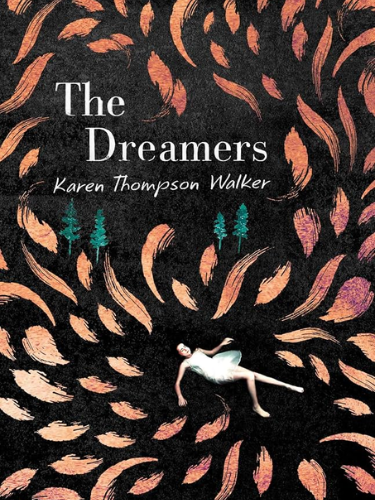
The Dreamers: A Novel - Karen Thompson Walker (2019) (Fiction)
A mysterious illness spreads through a Californian town, sending people into an apparently endless sleep while their dreams become unusually vivid. Less a novel about sleep than about what happens to a community when waking life can no longer be taken for granted.
|
|
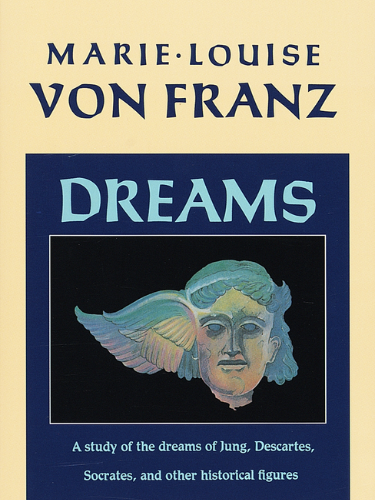
Dreams - Marie-Louise von Franz (1991) (Psychology)
The Jungian psychologist moves through dreams belonging to figures from Socrates to Descartes, treating them as a form of inner knowledge rather than nocturnal debris. An older, more symbolic counterpoint to the neuroscience elsewhere in the selection.
|
|
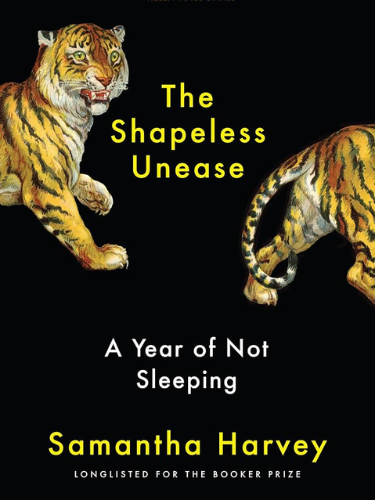
The Shapeless Unease: A Year of Not Sleeping - Samantha Harvey (2020) (Memoir)
Written out of a year of almost no sleep, Harvey’s memoir moves restlessly between anxiety, memory, mortality and the odd distortions produced by lying awake night after night. Insomnia becomes less the subject than the condition through which everything else is examined.
|
|
|
Enjoying NOC? Your friends, family, community and colleagues might too. Here is a link for you to share this edition with them.
Link to this edition
|
|
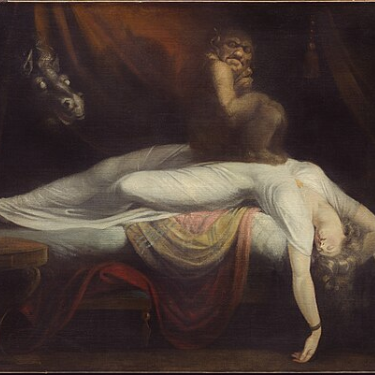
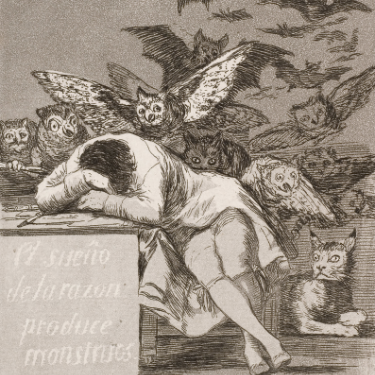
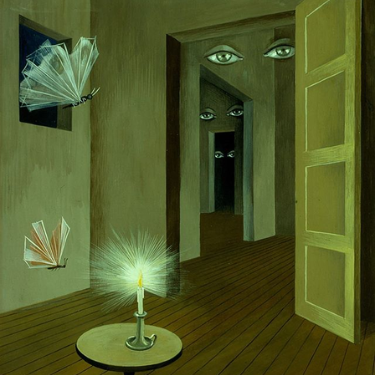
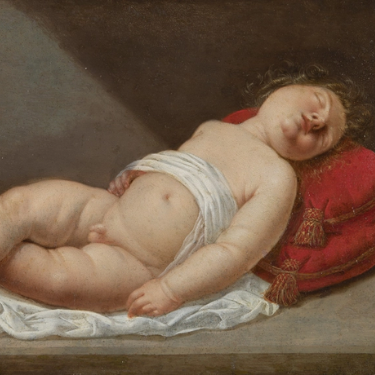
Nightmares and slumber
Through the years, sleep has been pictured as everything from complete surrender to a gateway into the irrational. Sometimes the sleeping body appears peaceful, heavy and entirely removed from the world; elsewhere, closing one’s eyes seems to invite monsters, hybrid creatures and the less disciplined parts of the imagination into the room. Eight works moving between slumber and whatever happens once the subconscious is left unsupervised.
|
Through the lens
|
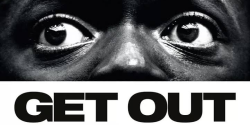
Get Out — Jordan Peele, 2017
Hypnosis turns consciousness into a place you can be locked out of. Peele’s Sunken Place gives the sensation of being awake but unable to regain control the visual language of a nightmare (Horror/Thriller).
|

|
Tully — Jason Reitman, 2018
Charlize Theron plays Marlo, a mother of three whose exhaustion is interrupted by the arrival of a night nanny. Beneath the comedy sits a much less glamorous portrait of what prolonged sleep deprivation can do to the edges of reality (Comedy/Drama).
|

|
The Science of Sleep — Michel Gondry, 2006
Stéphane’s elaborate dream world keeps leaking into his waking one until neither he nor the viewer is entirely sure which set of rules applies. Handmade, romantic and appropriately difficult to explain after waking up (Fantasy/Romance).
|
|
Sleepers
Dreams can become material, sleeping can become a creative act, and that strange interval between consciousness and unconsciousness can be observed, recorded, engineered or shared. Some people simply wake up and get on with their day; others apparently see an entire field of possibilities.
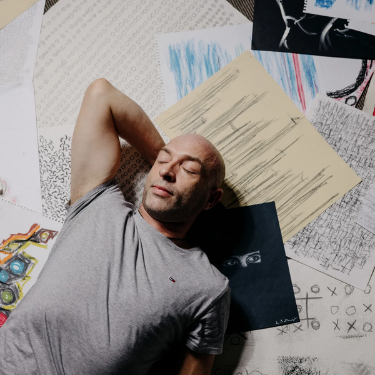
The man who makes art in his sleep — Lee Hadwin - Hadwin creates drawings while sleepwalking and wakes with no memory of making them; in waking life, he says the same artistic ability largely disappears. His nocturnal work has since become an artistic practice in its own right.
|
|
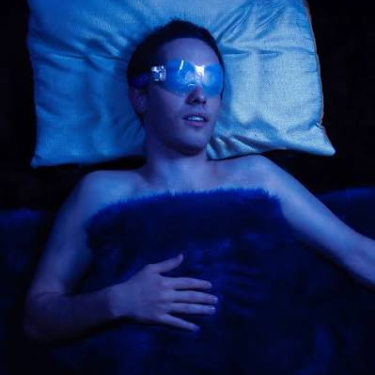
Engineering the edge of sleep — Adam Haar Horowitz - At MIT, Haar Horowitz helped develop Dormio, a device that detects the hazy hypnagogic moment just before sleep and introduces prompts that can slip into emerging dreams. Essentially: dream incubation, upgraded with biosensors.
|
|
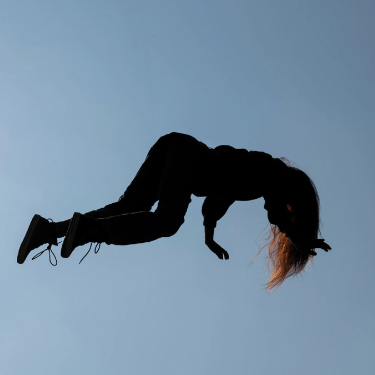
Dreams Archive — Eva Frapiccini - Since 2011, Italian artist Eva Frapiccini has travelled with an inflatable Dream Capsule in her suitcase, inviting strangers to step inside and record what they dreamed. More than 2,300 dream encounters later, the archive has become material for sound, film and performance — a collective portrait assembled while everybody else was asleep.
|
|
|
Our picks
|
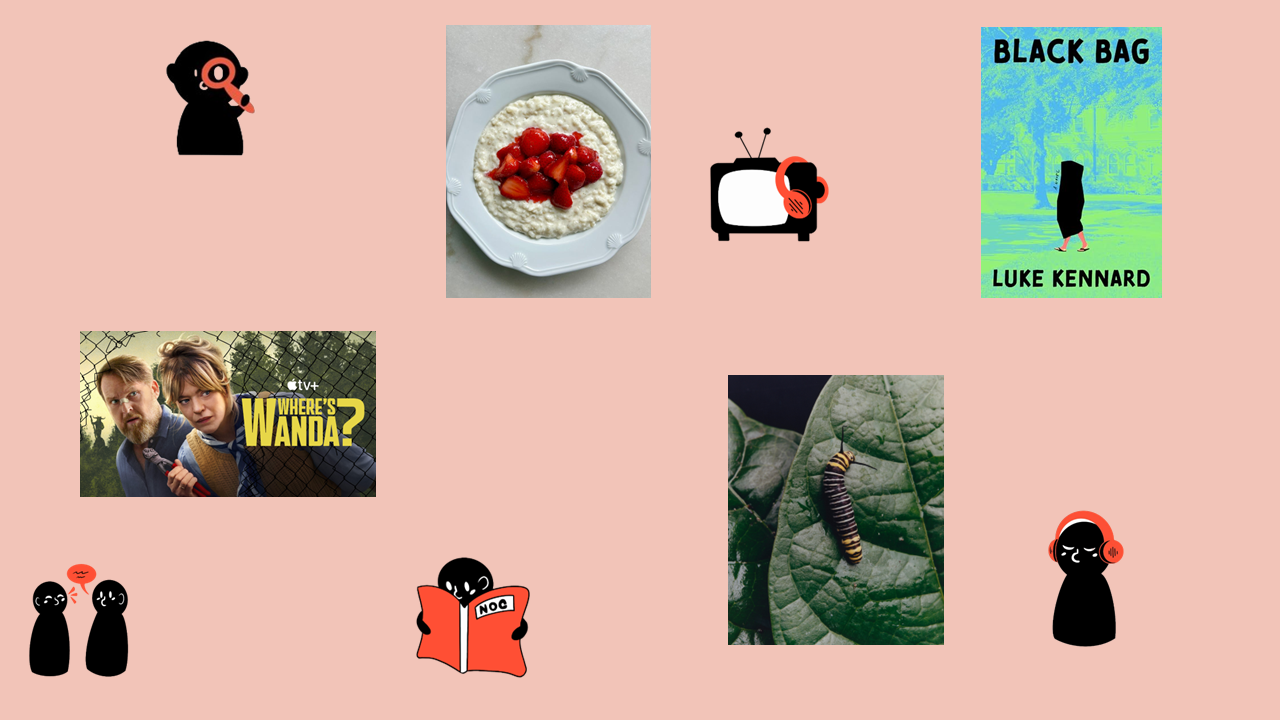
Where is Wanda? — A dark comedy series about a German couple who, frustrated by the police investigation into their missing daughter, begin secretly surveilling their neighbours and uncovering far more than they expected.
Black Bag — A novel by Luke Kennard about an out-of-work actor who agrees to sit silently inside a large leather bag as part of a university psychology experiment, only for the performance to spiral into something much stranger.
Why Cynicism Feels Smart—and Isn’t — A podcast episode by Atmos with activist and writer Rebecca Solnit on hope, change and the stories we tell ourselves.
Coconut rice pudding — A simple recipe for a warm dessert or sweet snack as the season changes.
|
|
|
NOC is a constant work-in-progress. We want to hear your thoughts, recommendations and ideas—reply to the newsletter via email or write to us on social media (LinkedIn or Instagram). Your input will help shape where we go next!
You can browse past editions on our website.
Was this email forwarded to you? You can register to our newsletter here.
One ask from us: to avoid our newsletter landing in your spam inbox, add our email address as a contact.
|
|