|
→ View in browser
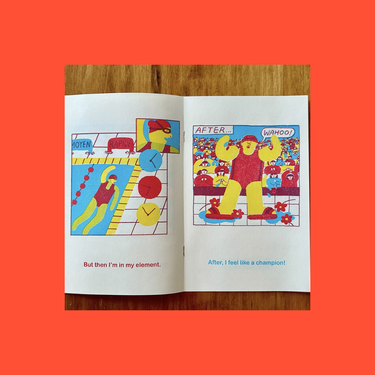
In high school, we had swim class every Wednesday afternoon, right after lunch and just before two hours of physics. It was a 55-minute ordeal: changing into swimwear, jumping into a pool of questionable hygiene with twenty classmates to perform exercises of varying difficulty, then hauling ourselves out, showering, and competing with twelve other girls for three hair dryers. It might sound horrible, but I look back at it fondly. Swim class was what lifted my gym class grade, and it gave me some of the funniest memories of those years.
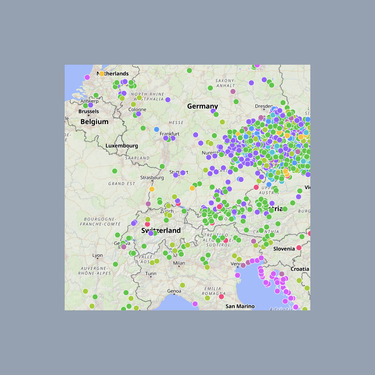
I have always loved being in water, and I have always lived close to swimmable bodies of it. Based in Switzerland, where cities such as Zurich and Basel are often celebrated for their “swimmability”, I did not realize until recently what a privilege this is. Around the world, most major cities built on rivers or coastlines have treated water as an industrial and commercial resource, or as something people need protecting from, rather than as a common good to which citizens should have access to.
This year's unprecedentedly hot summer brought that gap into focus for many. Safe, clean, affordable places to cool off matter more than ever, and communal pools, lakes, rivers and the sea are the natural facilities for it. Yet in many cities, access is limited, too expensive, or organized around pre-booking systems that suit only certain lifestyles.
The economist Mariana Mazzucato recently wrote about London's public pools, which, she argues, have progressively excluded teenagers and lower-income people since the Covid-19 pandemic. Other cities, however, have recently invested in blue spaces for their citizens and are signing up to the Swimmable Cities alliance. The most prominent example is Paris's €1.6bn clean-up of the Seine for the 2024 Olympics and Paralympics. The project was not flawless, as some athletes told stories of being ill after their swims. Still, it reversed a swimming ban dating back to 1923 and gave thousands of Parisians a place to cool off in the summers of 2025 and 2026. In the US, Chicago brought organized river swimming back in 2025 after nearly a century, and New York is planning a floating, filtered pool in the East River.
Communality around water has played an important role throughout history. In Roman cities, public thermae were places to wash, exercise, do business and gossip. The Ottoman hammam inherited that tradition and added its own ritual cleansing and neighborhood sociability. Across the Nordic countries, the sauna, a Finnish tradition recognised by UNESCO remains a communal ritual that cities like Oslo are now reviving with public saunas on the fjord. In India, the ghats of Varanasi and the Kumbh Mela turn river bathing into a collective spiritual practice, and Gujarat's stepwells made shared water a monumental piece of civic architecture. Each culture built its own version of the same idea: water as a place to gather.
While the shape of our relationship with bodies of water has changed over time, their function and potential to bring people together are as relevant as ever. Somewhere along the way, many modern cities forgot this. Industrialization polluted rivers, and private pools replaced public ones. As heatwaves, droughts and floods become the norm, cities should think again about the role of blue zones, and make sure everyone has access to them.
Sanjna
|