|
→ View in browser
In the Midwestern state of the US that I grew up in, saying that Halloween is a big deal would be an understatement. Every October, like clockwork, people dust off their boxes of decorations and transform their Victorian-style houses into spooky displays that many theater sets would be jealous of. Everyone participates, partly for themselves and partly to delight the groups of kids that stop by on the 31st. I, too, would count down the days until it was time to put on my chosen costume (when in doubt, a witch), meet my friends, and trot past streets lined with skeletons, spiders, and jack-o-lanterns to exchange a “trick or treat” for a chocolate bar.
The whole holiday runs on a script nobody discusses but everyone knows: the knock, the well-rehearsed line, and the mock horror at an especially spooky costume. Maybe people can’t get enough of it because fear is perceived differently in company. As sociologist Margee Kerr explains it, the body’s response to threat looks a lot like its reaction to excitement, with context deciding whether the experience is enjoyable. Losing your way alone at night is terrifying, while being “trapped” in a staged haunted house with friends is a good time.
Even in parts of the world where Halloween isn't celebrated as enthusiastically as in my hometown, October remains the perfect excuse for a self-inflicted scare or two. Horror movies offer the same safety net as the holiday. We may cringe away from incoming jump scares, but we also know that the zombie we’re simultaneously fascinated and horrified by can’t do much more than leer at us from the screen.
That describes the paradox of horror perfectly: Why do we deliberately seek out stories that frighten us? One explanation is that confronting danger in a controlled environment allows us to rehearse our response to it, should it happen in real life Another suggests that the emotions left over after a frightening scene can intensify the relief we feel when the threat passes. The credits roll, our heart rate settles, and the world outside starts to feel a little less dangerous by comparison.
That's a feeling many of us could benefit from right now. As political instability, climate anxiety, and economic precarity seep into our news feeds and conversations with colleagues, horror can give shape to fears that can otherwise feel abstract or overwhelming. Scholars have long argued that the genre thrives amid social unrest, citing its role in the aftermath of 9/11 to help people process collective anxieties and confront their fears from a safe distance.
It’s tempting to see the continued popularity of scary movies — often well beyond Halloween — in that light. This year, films like Obsession and Resident Evil have once again found an audience on the big screen, but few in the genre owe as much to their fans as Backrooms. It began with an eerie image of an empty, yellow-lit room on an internet forum and an unsettling premise: accidentally slip out of reality, and you find yourself trapped in an endless maze of empty rooms with no way out. From there, strangers expanded the idea into a shared lore of levels, creatures, and escape routes. In 2022, YouTube filmmaker Kane Parsons adapted the concept into a found-footage series, reaching hundreds of millions and eventually inspiring his A24 feature film, which became the studio’s highest-grossing release to date. That makes Backrooms one of the most successful examples of creepypasta – horror stories that circulate and evolve online – crossing from internet folklore into mainstream cinema.
As I see it, Halloween is just the poster child of something horror-fans enjoy all year round: being scared, together. I still put up my usual pumpkins every October and occasionally manage to talk my boyfriend into watching a horror movie with me. It’s not quite the thrill of trick-or-treating as a child, but it still gives me something to look forward to.
Anna
|
Some numbers
|
46%
|
46% of Americans say they would rather watch horror content with other people, compared to 21% saying they prefer doing so alone.
|
|
54%
|
Between 2022 and 2023, sales of horror and ghost stories in the UK rose by 54% in value to £7.7m.
|
|
$13.5 billion
|
Expected US Halloween spending in 2026 is estimated at $13.5 billion, up from last year’s record 13.1 billion, with about 74% of consumers saying they plan to celebrate.
|
|
Flip through
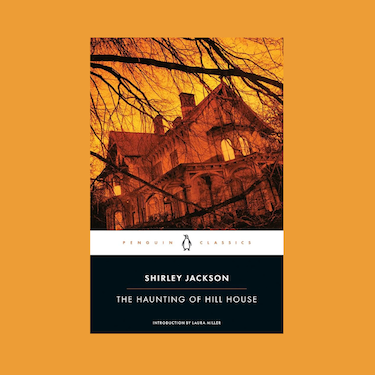
The Haunting of Hill House - Shirley Jackson (1959)
A group of strangers arrives at a house that is supposedly haunted, hoping to uncover its secrets, but as strange events unfold, one woman finds herself drawn deeper into its disturbing mysteries.
|
|
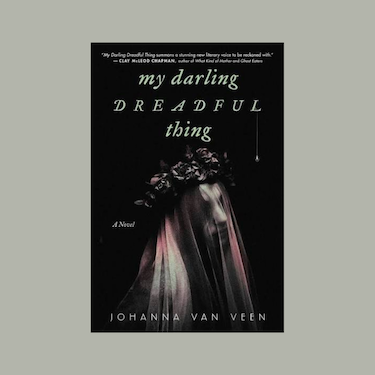
My Darling Dreadful Thing - Johanna van Veen (2024)
A young woman who communes with the dead enters a wealthy widow’s crumbling estate, where a forbidden romance and a sinister haunting force her to question the spirit she’s always trusted.
|
|
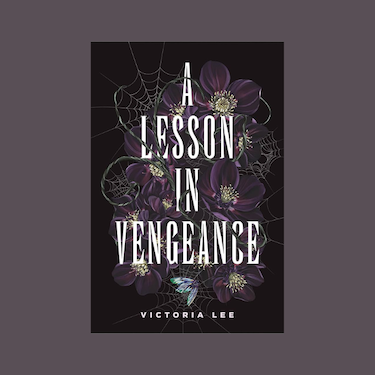
A Lesson in Vengeance - Victoria Lee (2021)
Returning to her haunted boarding school after her girlfriend’s death, a troubled student becomes entangled with a mysterious classmate and a suspected history of witchcraft.
|
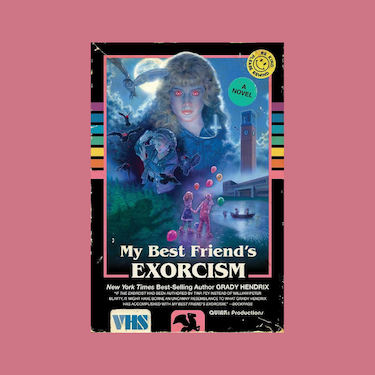
My Best Friend's Exorcism - Grady Hendrix (2016)
When a teenage girl begins acting strangely after a night gone wrong, her best friend suspects demonic possession and risks everything to save her, even when no one else believes her.
|
|
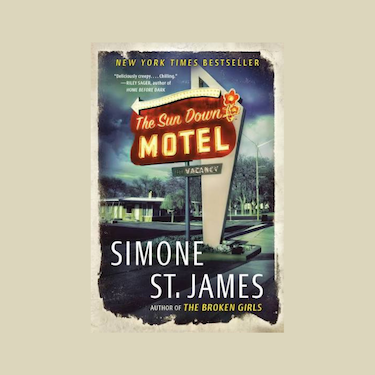
The Sun Down Motel - Simone St. James (2020)
Decades after her aunt disappeared while working the night shift at a roadside motel, a young woman takes the same job and begins uncovering unsolved murders, restless ghosts, and secrets that refuse to stay buried.
|
|
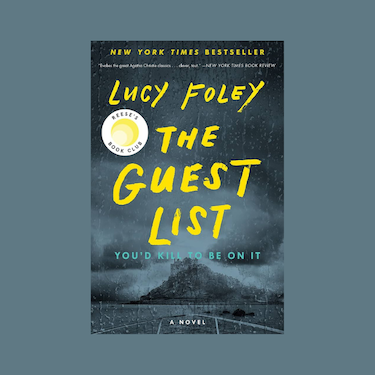
The Guest List - Lucy Foley (2020)
On a remote island off the Irish coast, a lavish wedding brings together guests with buried grudges and dangerous secrets, but when a body is discovered, everyone becomes a suspect.
|
|
|
Enjoying NOC? Your friends, family, community and colleagues might too. Here is a link for you to share this edition with them.
Link to this edition
|
|
Plugged in
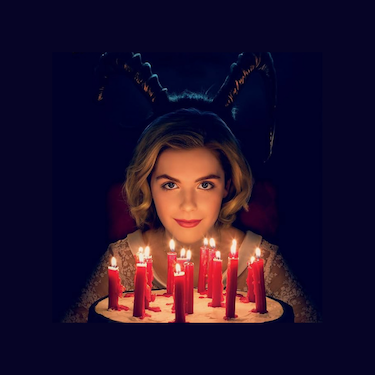
TV Show: Chilling Adventures of Sabrina (2018-2020)
As her sixteenth birthday approaches, half-witch Sabrina Spellman must choose between her mortal friends and her family’s dark magical world, all while confronting sinister forces threatening the small town she calls home.
|
|
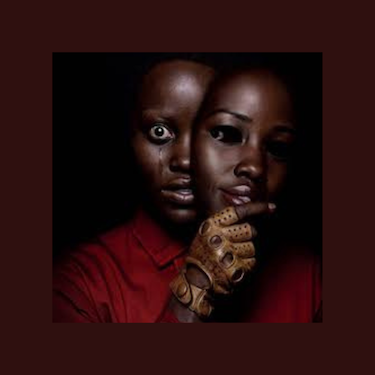
Movie: Us (2019)
A family’s peaceful beach getaway turns into a nightmare when a group of masked strangers appears at their doorstep, forcing them to fight for survival against a threat they can barely comprehend.
|
|
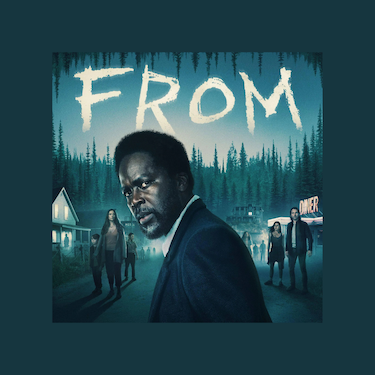
TV Show: From (2022-Present)
A family becomes trapped in a nightmarish town that no one can escape, where mysterious creatures emerge after dark, leaving the desperate residents to uncover the secrets behind their imprisonment.
|
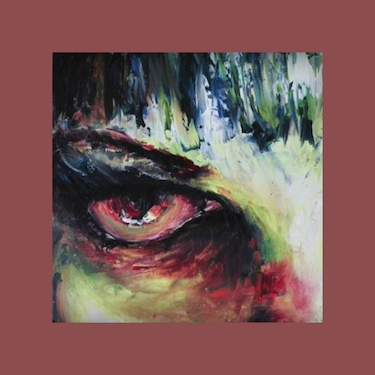
Song: Witch — Alex G (2017)
A slightly eerie track that combines Alex G's lo-fi, DIY sound with a distinct sense of unease.
|
|
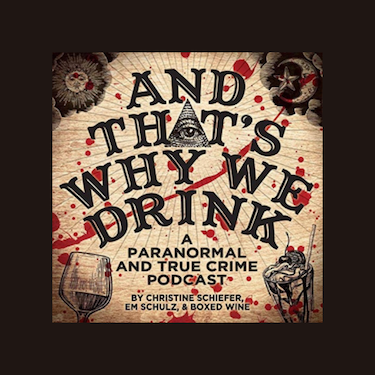
Podcast: And That’s Why We Drink (2017-Present)
A paranormal and true-crime podcast in which the hosts swap ghost stories, unexplained encounters, and real-life mysteries with a sprinkle of humor and banter.
|
|
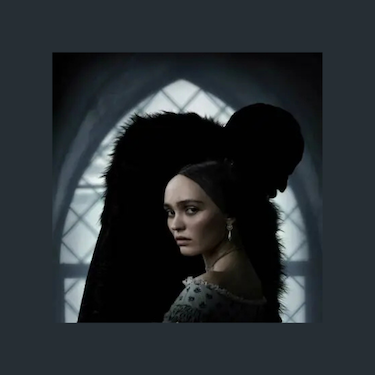
Movie: Nosferatu (2024)
A young woman becomes the focus of a mysterious vampire’s obsession in 19th-century Germany, drawing her and those around her into a world of nightmares, illness, and growing dread.
|
|
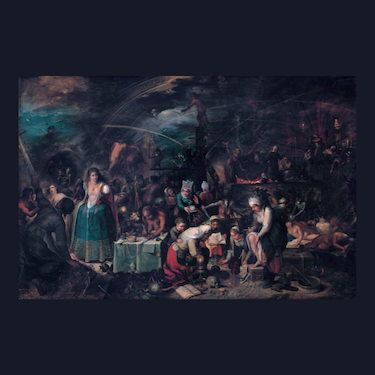
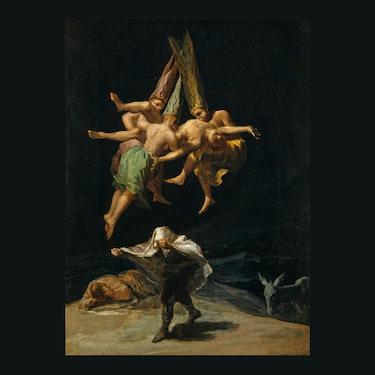
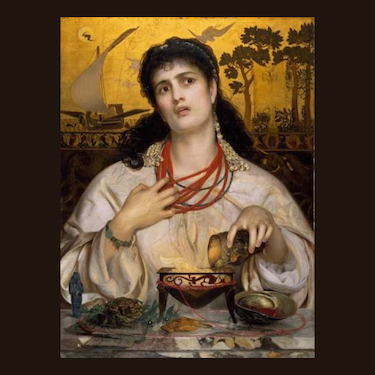
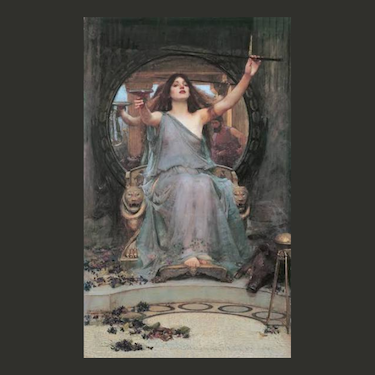
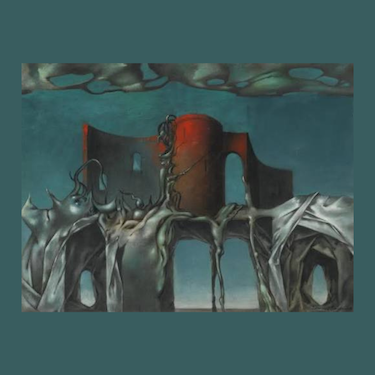
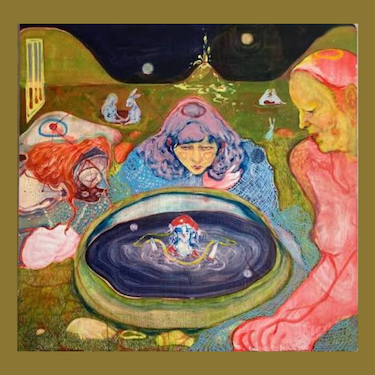
Through art: The witch
The witch has taken on many forms throughout art history, from figures associated with superstition, evil, and the supernatural to powerful women connected to myth and magic. While early depictions often reflected fears of witchcraft, later artists explored the witch as a more complex figure, blurring the lines between danger, desire, and female power. These six works offer a glimpse into the ways the witch has been reimagined through the centuries.
|
|
Our picks
|
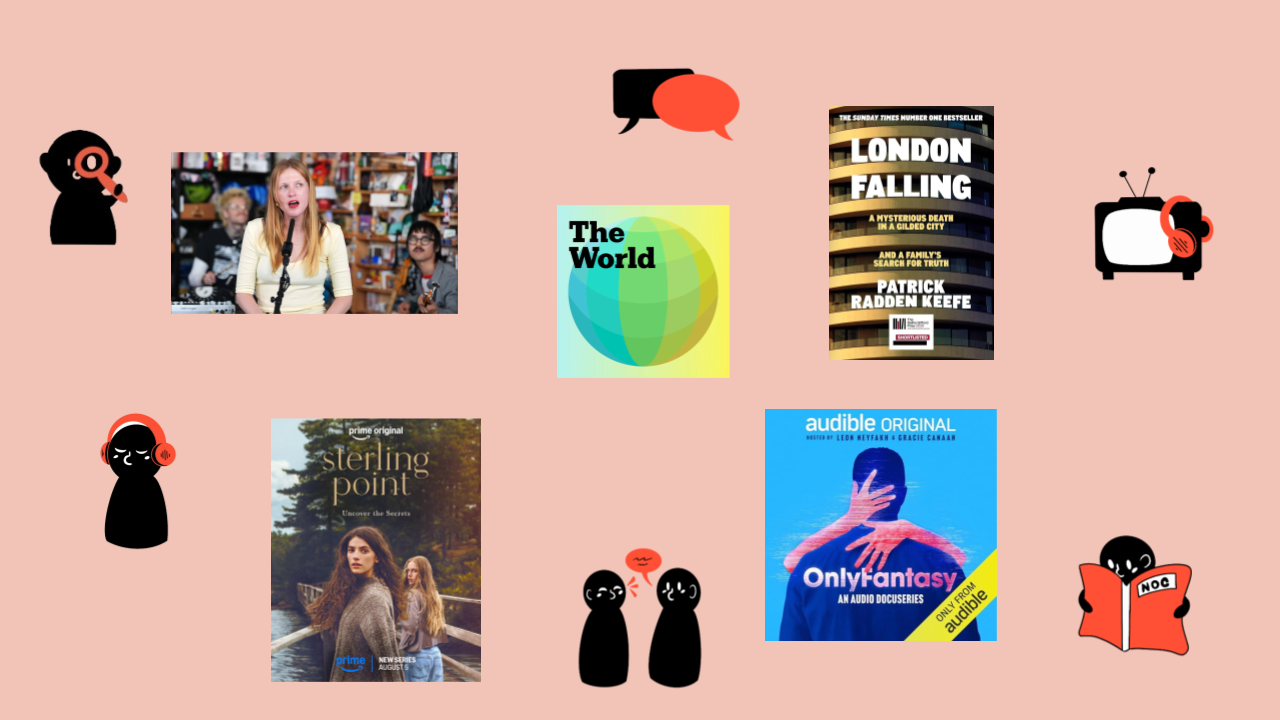
Sterling Point — A coming-of-age drama about 17-year-old Annie, who inherits a remote island in Canada from her estranged grandfather and discovers family secrets, friendships, and new beginnings.
The World Newsletter — A daily newsletter by the New York Times that makes sense of the biggest global stories through clear analysis and reporting from correspondents around the world.
London Falling — A book by Patrick Radden Keefe tracing the mysterious death of a young man in London in 2019.
Audrey Hobert’s Tiny Desk — An appearance at NPR’s Tiny Desk by the catchy US singer.
OnlyFantasy — A podcast series on OnlyFans and the people seeking connection on the platform.
|
|
|
NOC is a constant work-in-progress. We want to hear your thoughts, recommendations and ideas—reply to the newsletter via email or write to us on social media (LinkedIn or Instagram). Your input will help shape where we go next!
You can browse past editions on our website.
Was this email forwarded to you? You can register to our newsletter here.
One ask from us: to avoid our newsletter landing in your spam inbox, add our email address as a contact.
|
|