|
→ View in browser
When I was a kid, I was a proud owner of a staple of the early 2000s: a mood ring. Deep blue meant calm, amber meant nervous, black meant stressed. I had no idea it was just reacting to skin temperature.
I thought about it this week when Oura launched its fifth smart ring, tracking over 50 health metrics that feed an AI-powered Health Coach. The distance between that plastic trinket and a device monitoring your sleep stages and heart rate variability all night long reflects a shift in how we relate to ourselves, through data.
The past decade has brought an explosion in personal data collection. Wearables track your heart, steps, sleep, blood oxygen. Apps log what you're reading, watching, eating, feeling. It is the same logic that transformed modern management, drummed into every first-year business student: you manage what you measure. Now that logic has been turned inward. The category even has a formal movement: The Quantified Self, founded in 2007, built on the premise that more self-knowledge leads to better decisions and a better life.
I track my reading on StoryGraph, which generates stats covering how many books I finished, which genres I favored, my average reading pace. Spotify Wrapped tells me what I listened to and how my taste compares to other listeners'. No matter the hobby, there is almost certainly a tracking app already waiting for you.
But there is an old warning here. The philosopher Daniel Yankelovich described the McNamara Fallacy: the tendency to prioritize what is easily measured while ignoring what is not, and consequently to manage the wrong things altogether.
Applied to life logging, does tracking your sleep score help you feel rested, or does it replace the subjective feeling of rest with an anxiety about whether the number is good enough? Does logging every book you finish enrich your relationship with reading, or subtly gamify it? What about the conversations that changed you, the afternoons that couldn't be categorized, the mood that no ring could describe? As one person who is not bought into this idea of optimization funnily put it on Substack: “Everyone’s just so worried about sleep and stress and trackers when really what they need to do is sit down for ten minutes in the sun and have an Americano and a cig”.
None of this is an argument against self-tracking (or in favor of smoking). The data can be genuinely useful: catching health patterns early, building better habits, knowing yourself a little more clearly. But there is a temptation to believe that what is measured is what matters, and a dashboard of fifty metrics cannot add up to a life.
What are the life metrics you track?
Sanjna
|
Read between the lines

|
Is all of this self-monitoring making us paranoid? — Madison Malone Kircher, The New York Times (2025)
A look at the stress some young adults feel when their Oura rings would tell them that that cocktail they were having at a dinner with friends would ruin their Readiness Score the day later (access the archive version here).
|
|
|
Electric corsets, the original wearable devices — Adrienne LaFrance, The Atlantic (2016)
A slightly older article that was written at the start of the wearables craze. It looks back at the 19th century trend of electric belts and corsets, developed during the hype around electricity.
|
|
|
How Sleepmaxxing became the latest status symbol — Kate Hardcastle, Forbes (2025)
Showing up with a rested face - the most rested face - is apparently the newest symbol of status. The author looks at all the technology that monitors sleep and guides users in elevating it to the max.
|
|
Unmeasurable things
Behind all the efforts to measure everything in this world and prescribe a valid metric, there are some things that still remain unquantifiable or highly subjective. Here are three examples.
|
Pain
|
Medicine has tried for decades to quantify it, and the best we have is the 1-to-10 scale you're asked to fill in before surgery. It is entirely self-reported, varies wildly between individuals and cultures, and cannot be verified from the outside.
|
|
The value of nature
|
Economists have attempted to assign monetary value to ecosystems, clean air, biodiversity and the "services" forests provide. The metric always leaves something out that turns out to be the whole point.
|
|
Consciousness
|
We can measure brain activity, neural patterns, and responsiveness to stimuli. But whether someone is actually experiencing anything from the inside remains completely out of reach and unmeasurable.
|
|
Hot on Substack

Maybe cool it on the Oura ring — Erica Marrison
Reflections on turning toward basic pleasure and whether self-tracking is actually eroding our wellness.
|
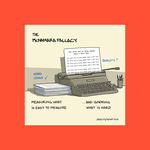
The McNamara Fallacy — Jono Hey
A nicely illustrated piece describing the McNamara fallacy, whose origins stem from the Vietnam War.
|

If our grandmas had Oura rings — Stems from home
The author's grandparents raised eight kids, enjoyed a Jim Bean, and both lived past 90. Their sleep scores would have been terrible. Their lives, by every measure that matters, were not.
|
|
|
Enjoying NOC? Your friends, family, community and colleagues might too. Here is a link for you to share this edition with them.
Link to this edition
|
Artistic renderings
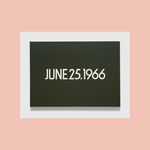
Today Series — On Kawara (1966-2014)
Conceptual artist On Kawara decided on January 4th, 1966 that he would paint everyday until his death a simple, monochrome painting representing the day’s date. Reminiscent to commitments to track lives indefinitely.
|
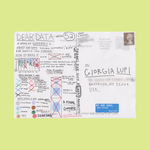
Dear Data — Giorgia Lupi and Stefanie Posavec (2021-onwards)
Is it possible to get to know someone through data only? The two data artists and designers exchanged hand-drawn postcards tracking a different aspect of their weekly lives.
|
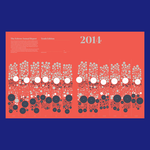
A quantified life — Nicholas Felton (2005-2014)
Felton produced for ten years an annual report that tracked data from his year, from steps counts, conversations had, restaurants eaten.
|
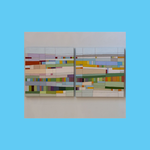
Daily life — Laurie Frick (2026)
What data on daily time spent on all your normal activities looks like when freed from dashboards and charts, and translated into a painting.
|

Melting Memories — Refik Anadol (2018)
Known for translating data into complex video experiences, Anadol’s Melting Memories piece used EEG data from human subjects to visualise the neural patterns of recollection.
|
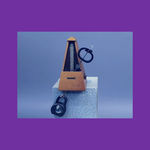
Unfit Bits — Tega Brain (2015)
Unfit Bits investigates DIY fitness spoofing techniques to allow you to create walking datasets without actually having to share your personal data.
|
|
|
Our picks
|
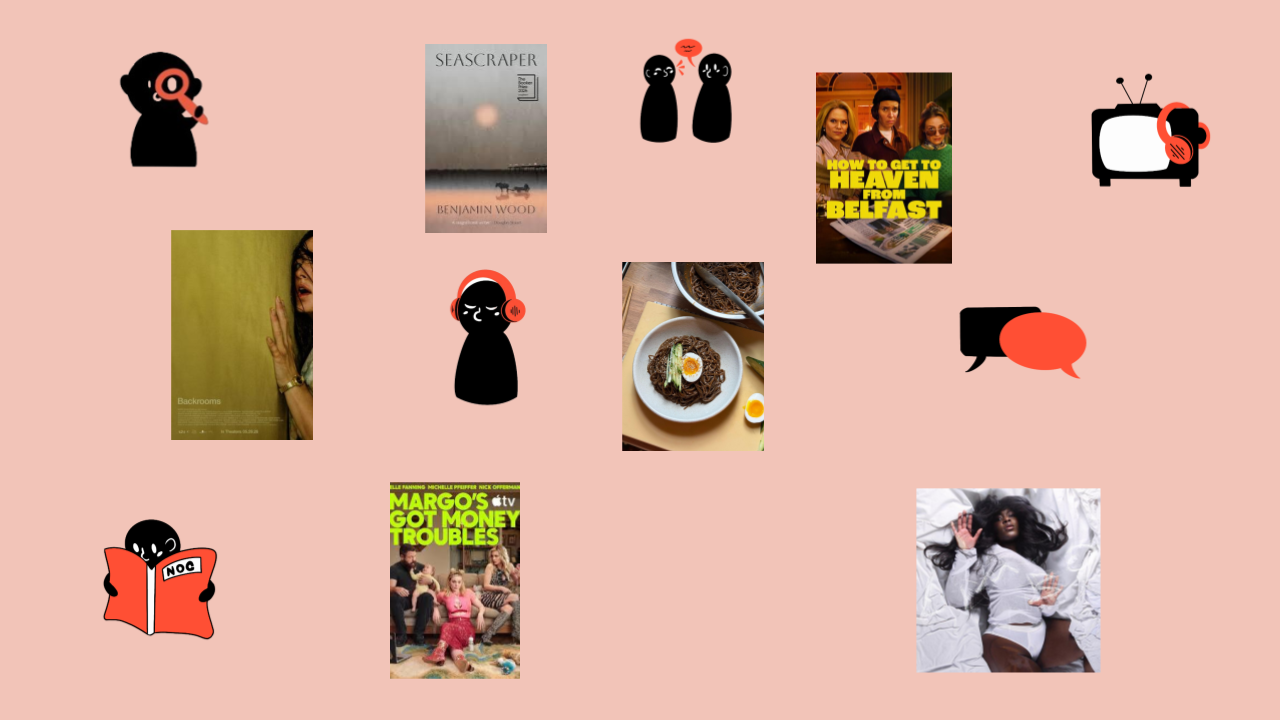
Korean spicy cold noodles — A vegetarian recipe by cabbages.world for the hot summer.
How to get to heaven from Belfast — A Netflix series taking place between Ireland and Portugal that is original, chaotic, and entertaining.
Backrooms — A horror film featuring a troubled furniture store owner who discovers a portal to a creepy labyrinth of liminal spaces.
Limbo — The latest album by Swedish singer Namasenda, blending hyperpop and electropop influences.
Seascraper — A novel by Benjamin Wood, following the life of Thomas, a seascraper who trawls for shrimp by the beach in England.
Margo’s Got Money Trouble — A TV series about a recent college dropout and aspiring writer as she faces a mounting pile of bills and has to figure out a way to pay them.
|
|
|
NOC is a constant work-in-progress. We want to hear your thoughts, recommendations and ideas—reply to the newsletter via email or write to us on social media (LinkedIn or Instagram). Your input will help shape where we go next!
You can browse past editions on our website.
Was this email forwarded to you? You can register to our newsletter here.
One ask from us: to avoid our newsletter landing in your spam inbox, add our email address as a contact.
|
|